 Zildjian
Cymbal Collection
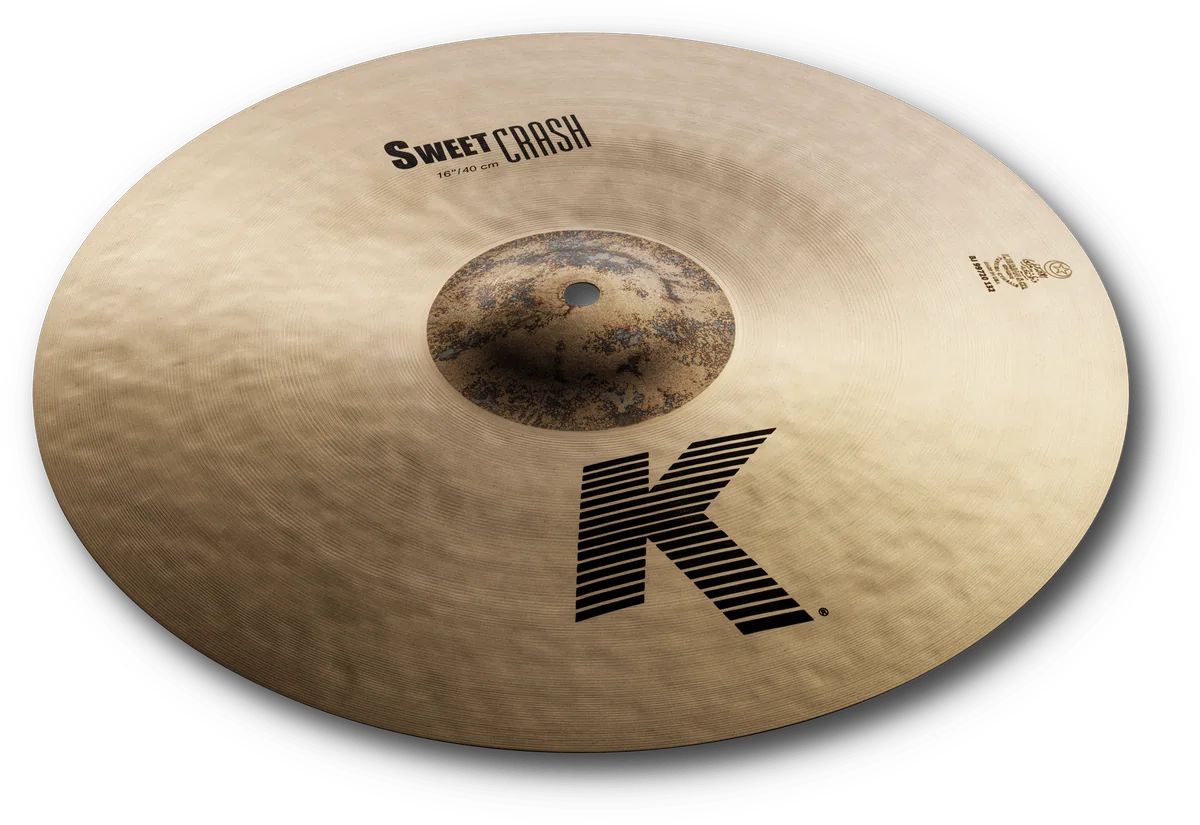
More than 30 cymbals, including K Custom, K Constantinople, A Custom, Avedis, and K Sweet sets. They are the only part of the kit recorded as acoustic audio, so I choose them for each song. See the whole collection
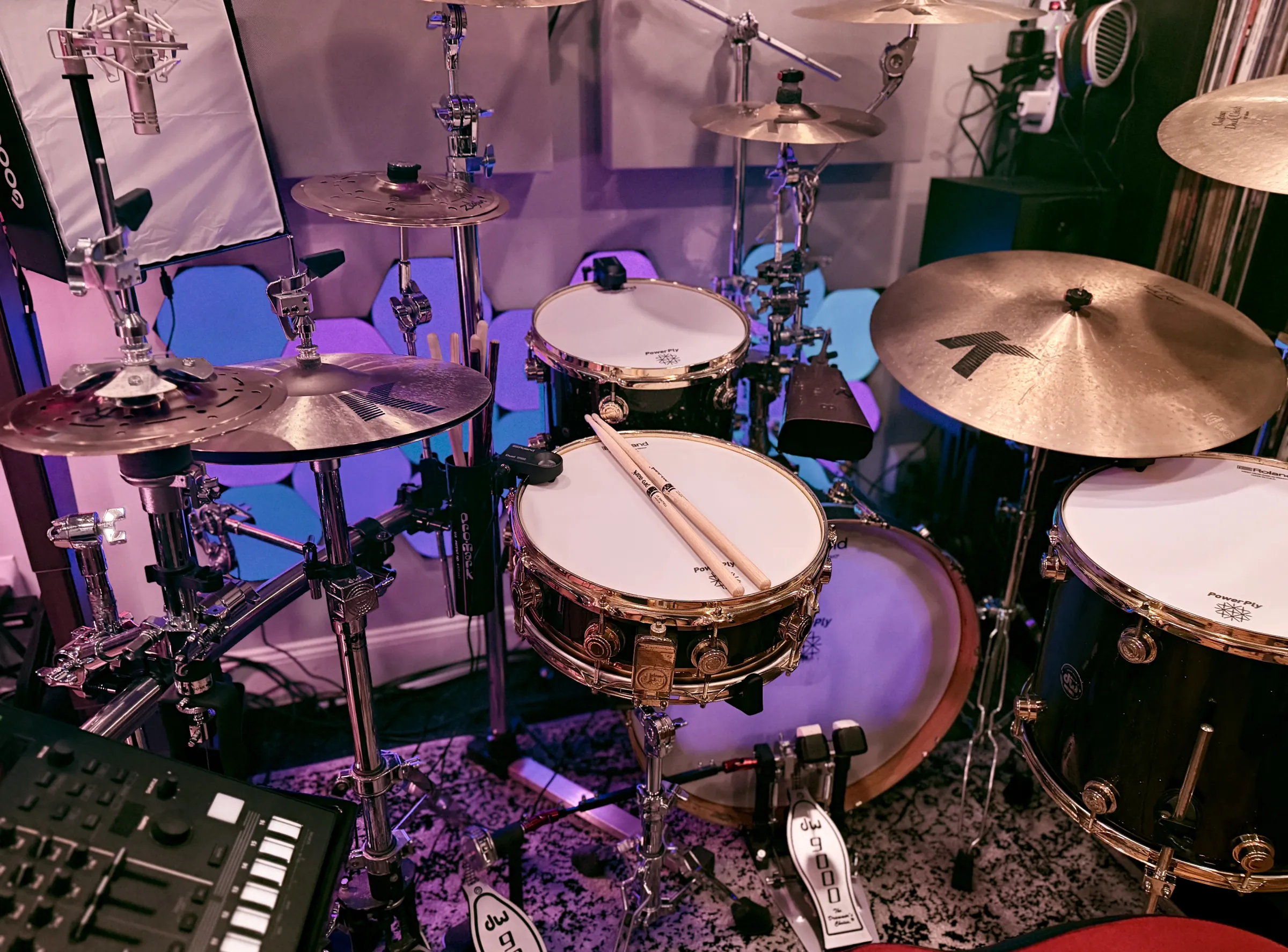
My hybrid drum studio
I record real Zildjian cymbals alongside sampled kick, snare, and tom sounds from a Roland V71 drum sound module. I capture dry cymbal audio, raw V71 drum audio, and MIDI from the same performance, with analog gear shaping what I hear while tracking and how I mix afterward.
Two signal paths from one performance
Everything I play is captured in the same pass. The cymbals travel through microphones as audio. The kick, snare, and toms travel through triggers into the V71, which records the MIDI and makes the shell sounds I hear.
Signal key
- Sound in the air
- Analog audio
- Digital audio
- Triggers and MIDI
Cymbals
- Zildjian cymbalsPlayed live with the kit
- Connects by Sound in the air, air, toFour micsWA-84 and SM81
- Connects by Analog audio, mic, toAPI 3124VMic preamp
- Connects by Analog audio, line, toApollo x16Converters
- Connects by Digital audio, toYour sessionFour cymbal tracksRecorded dry
Shells
- DW kit + PD-14DSXMesh heads, Roland triggers
- Connects by Triggers and MIDI, trigger, toRoland V71Drum sound module
- Two outputs from the V71:
- Connects by Triggers and MIDI, USB, toMIDI performanceEvery hit as I played itAlways delivered
- Connects by Analog audio, line, toV71 shell soundsWhat I play toPrintable
The mesh heads keep drum tone out of the cymbal mics. Solo those tracks and you hear faint stick taps, and they disappear under any shell sound.
My cymbal collection
I keep more than 30 Zildjians across five families. They’re the one part of a hybrid session that can’t change after the take, so I choose them before I play. Once I hear the song, I usually know which set I should choose.
See the whole collectionFive ways I set them up
- Warm + WideK Sweets across the kit. Thin weights and a rounder attack that opens into a big wash. They remind me of a broken-in set of 1980s As, and they are my first call for rock right now.
- Dark + FastK Dark crashes and a K Custom Dark ride with tight 13-inch K hats. Quick decay that tucks under vocals and dense guitars.
- Bright + ClearA Customs with a quick attack and clear top end for tracks that need the cymbals to speak right away.
- Dry + VintageK Constantinoples with a low, smoky, old-record sound. Less shimmer, more air.
- Loud + CuttingNew Beat hats, bright A Custom crashes, and the 24-inch Z MegaBell ride for loud guitars and tracks that need a lot of cut.
What I hear while I play
While I track, I hear a finished drum sound, not a dry kit. Each part takes its own path through analog gear, and everything meets in one drum mix through the API 2500+ bus compressor on the way to my headphones.
If the kick has weight and the snare has attack in my headphones, I play the part differently.
- CymbalsFrom the API 3124V mic preamp into the elysia xfilter stereo EQ


- Kick and snareFrom the V71 drum sound module into two Empirical Labs Distressor compressors
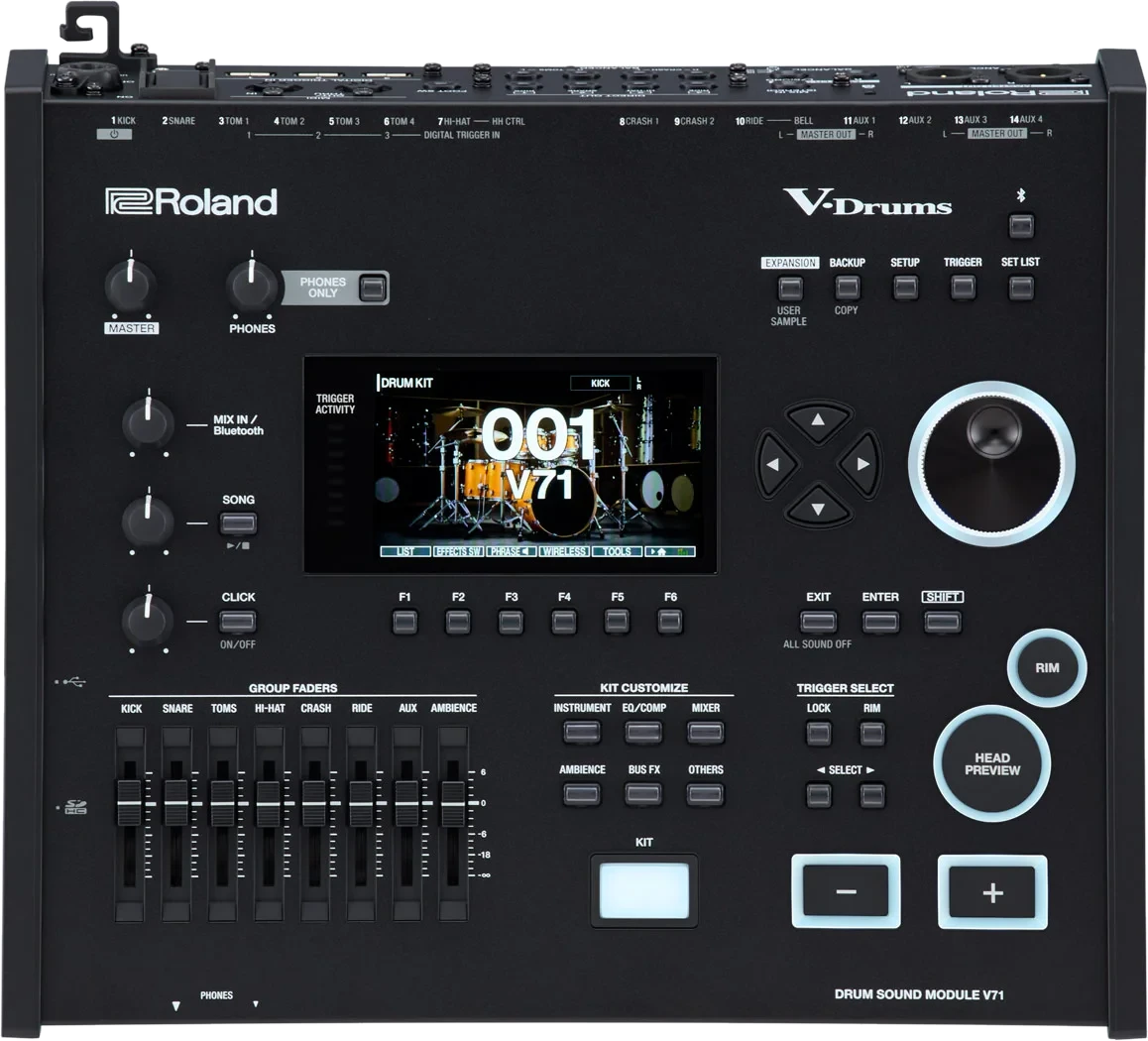

- TomsStraight from the Roland V71 drum sound module
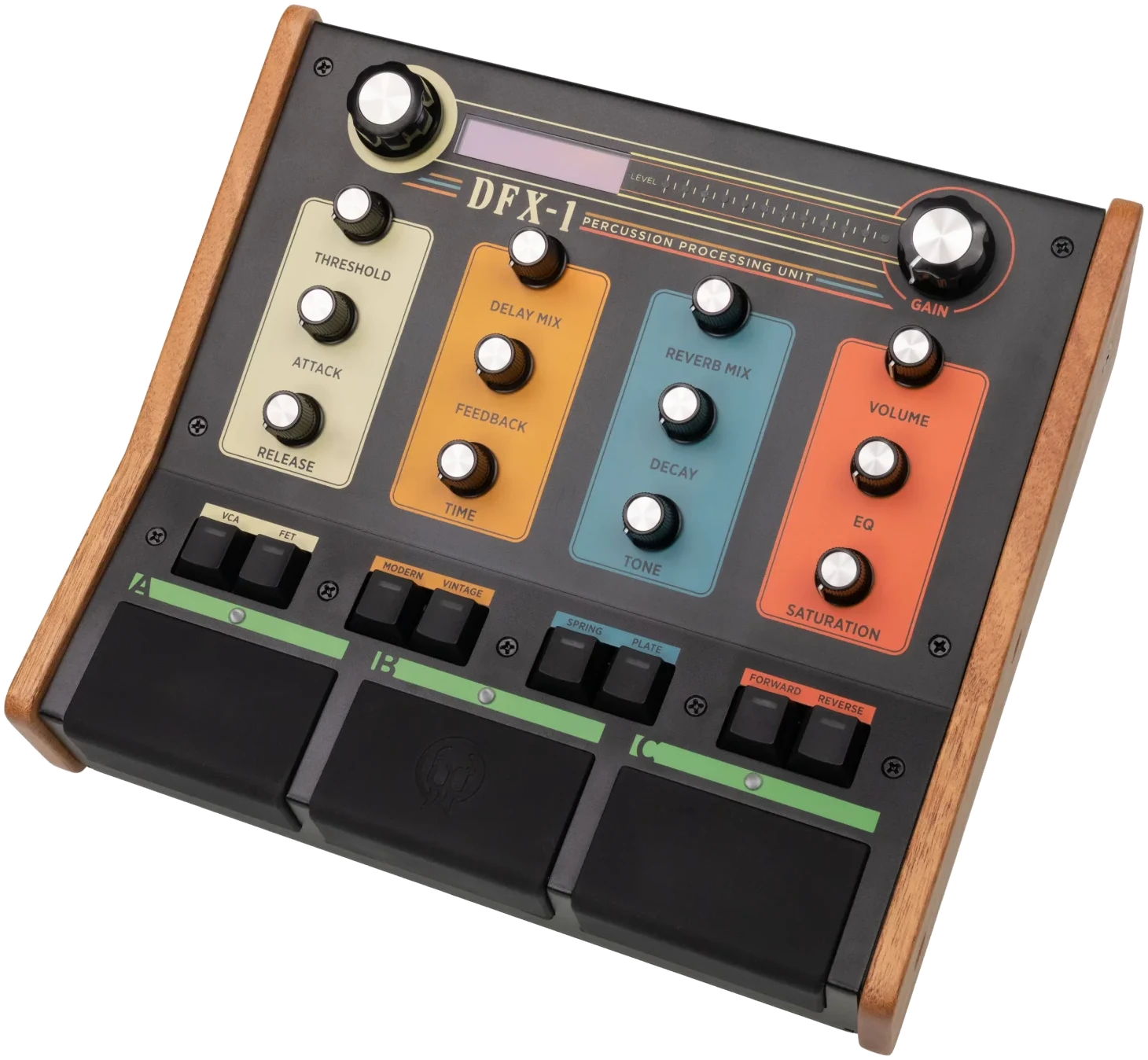
- EffectsFrom the V71 drum sound module's faders into the Walrus Audio DFX-1 percussion processor
One drum mixThe API 2500+ bus compressor Into my headphones
Into my headphones- Always recorded clean
- The four cymbal channels, the kick, snare, and toms, and the MIDI.
- Processed returns
- The Distressors, xfilter, 2500+, and DFX-1. I hear them while I play. On a remote session, I print them only when we agree on that sound going in.
I can mix the drums too.
If you want the drums finished, I’ll print a stereo drum mix through the same Distressors, xfilter, and 2500+ I play to, as hardware inserts in Pro Tools or Logic Pro. The four dry cymbal tracks and the MIDI still come with it, so you can always start over from the raw performance.
Gear in the studio
Grouped by job. Open a group for photos and notes.
- DW
Collector’s Series Kick + Toms
The 1997 maple shells: a 12x12 rack tom, a 16x16 floor tom, and a 22x20 kick, with Roland PowerPly mesh heads on top and Remo Silentstroke heads underneath. The triggers are Roland’s, an RT-30K on the kick and an RT-30H on each tom. Familiar sizes and spacing let me play the way I always have while keeping shell volume low in the cymbal mics.
 Roland V-Drums
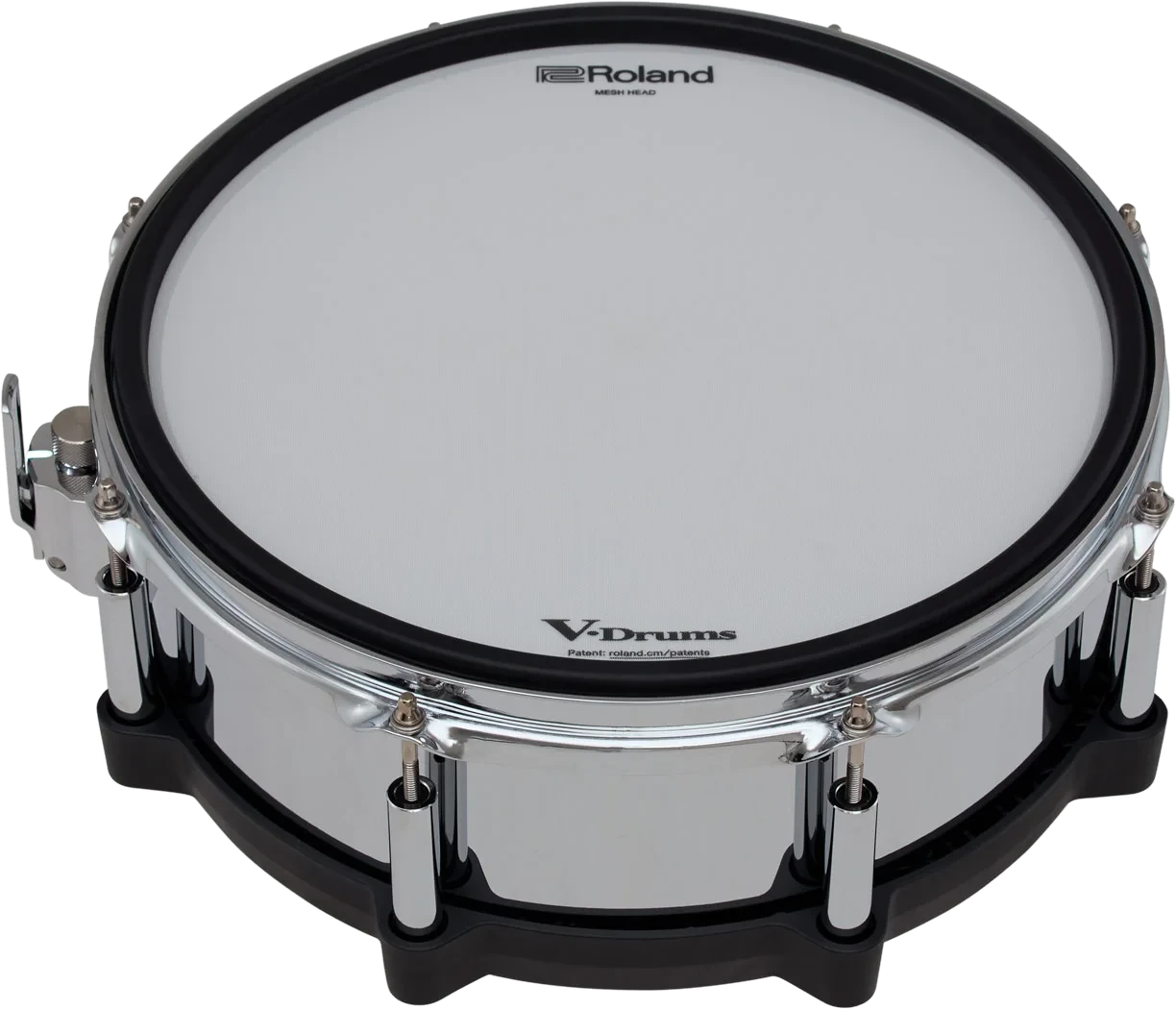
PD-14DSX Digital Snare
The snare does the most detailed work on the kit, so it gets its own digital connection to the V71. Positional sensing tracks where the stick lands on the head, rimshots read how deep they are, cross-sticks switch automatically, and brush sweeps work. The three-ply mesh head sits at an acoustic rim height.
- Roland V-Drums
V71 Drum Sound Module
The V71 takes the digital snare plus the kick and tom triggers, records the performance as MIDI, and generates the shell sounds I hear while I play. It is monitored through UA Console and the outboard, never through the DAW. Its onboard library was made with DW, and I added two of Roland’s expansion kits: the DW Collector’s Series Pure Maple Producer Position kit and Slingerland Vintage 1958, a Radio King from DW founder Don Lombardi’s collection. Between them they cover a lot of genres, and any of them can be printed. If a part calls for an extra tom, I can add a pad to the same module.
 Warm Audio
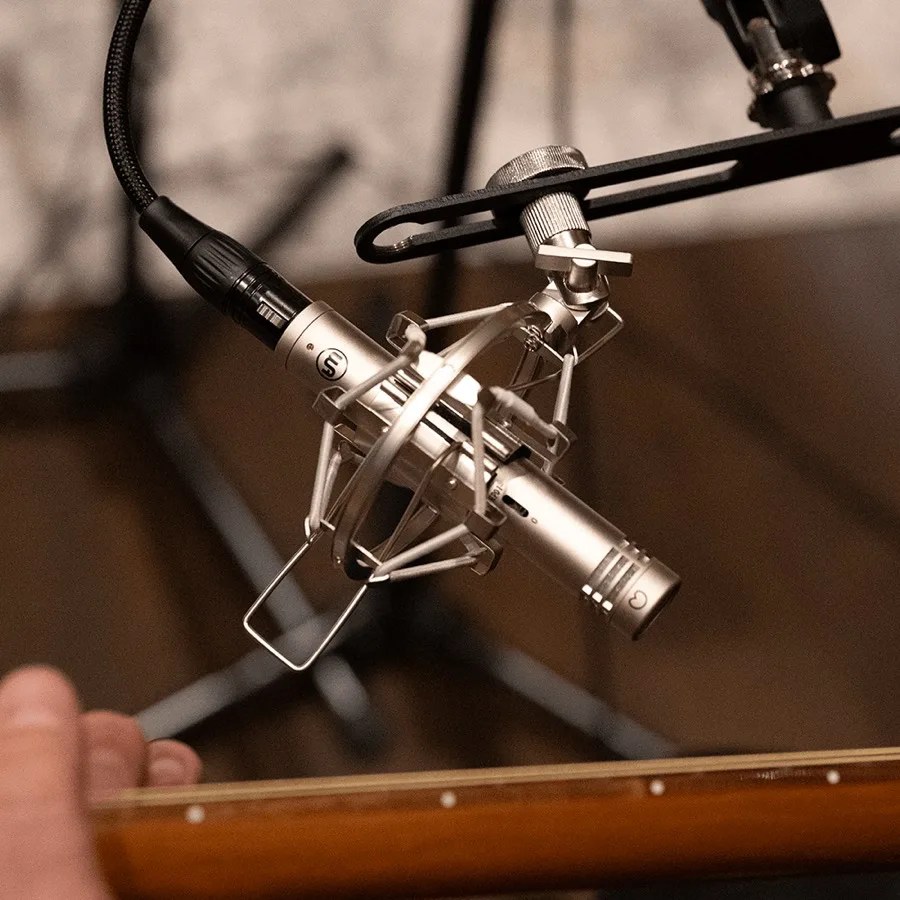
WA-84 (×4)
KM 84-style small-diaphragm condensers. A matched pair usually takes the overheads, and the spacing and height get set for the song rather than left in one position. I’ve tried a lot of overhead mics with only cymbals in front of them, and these have been the best fit for that job.
 Shure
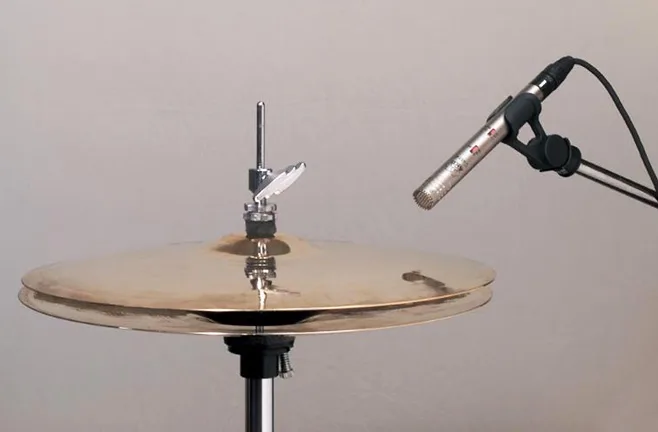
ShureSM81 (×2)
Cardioid small-diaphragm condensers on the hi-hat and ride for stick definition and bell articulation. They go overhead instead when a song wants a more focused picture, and the WA-84s cover the spots.
 Universal Audio
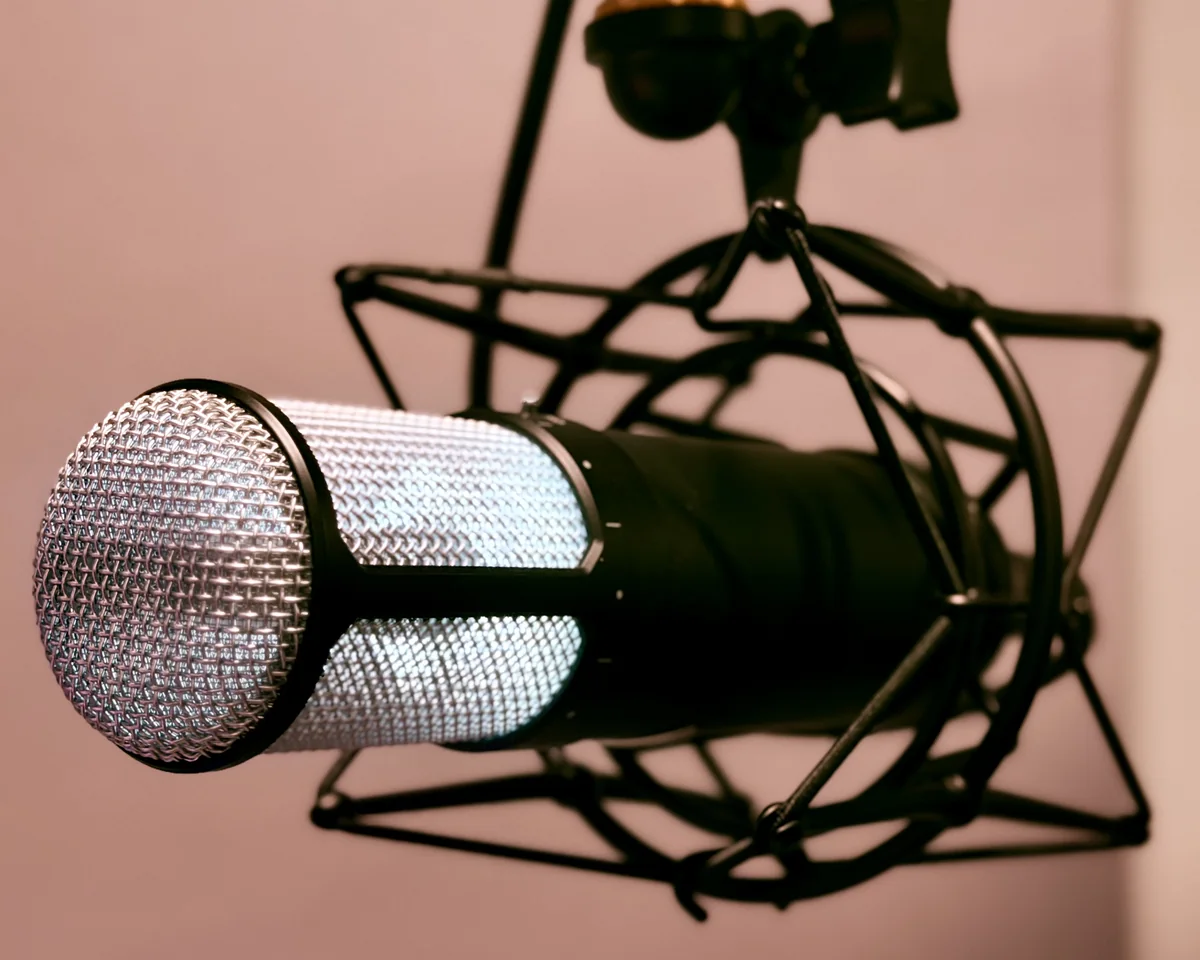
Sphere LX Modeling Mic
A dual-capsule modeling mic. The mic model and polar pattern can change after the take through its plug-in, which is handy when I want options on an extra position.
- API
3124V Mic Preamp
The API 3124V four-channel mic preamp is the front end for the overhead pair and the two spot mics. Its discrete Class A design and 2520 op-amps give the cymbals a sound I like, while the variable output controls let me manage level into the Apollo.
 Universal Audio
Apollo x16 Gen 2
Sixteen line inputs, which is what lets the cymbal chain, the V71 outputs, and the outboard returns all stay patched at once. I can record what I am monitoring without repatching between takes. When I mix, its outputs and inputs carry the hardware inserts.
 Universal Audio
Apollo x8 Gen 2
The monitor controller for the room. It drives the speakers, takes the returns from the xfilter and the RC-600, and can capture an extra mic position through its clean preamps or a Unison preamp plug-in.
 Universal Audio
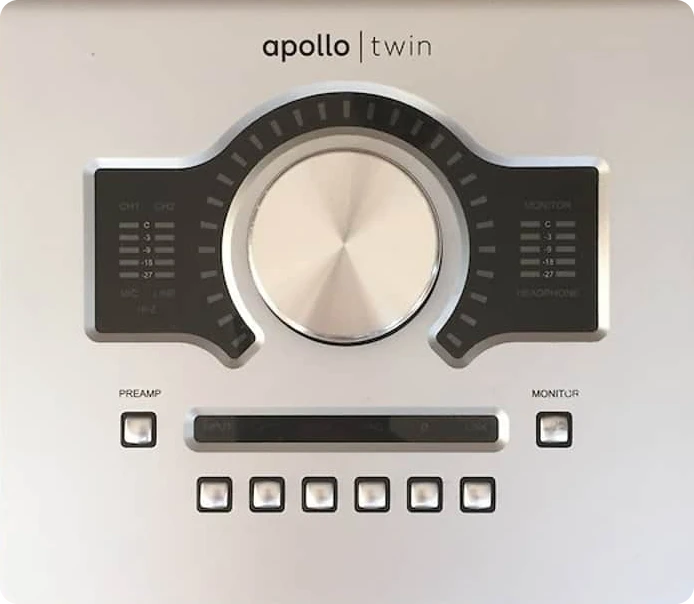
Apollo Twin Duo
The original Thunderbolt Twin drives my headphones when I mix, with the Cue Mix button engaged and the Slate VSX Immersion One headphones. Its two Unison mic preamps are wired into the patchbay, which gives me two more inputs when a session wants another mic position.
 Universal Audio
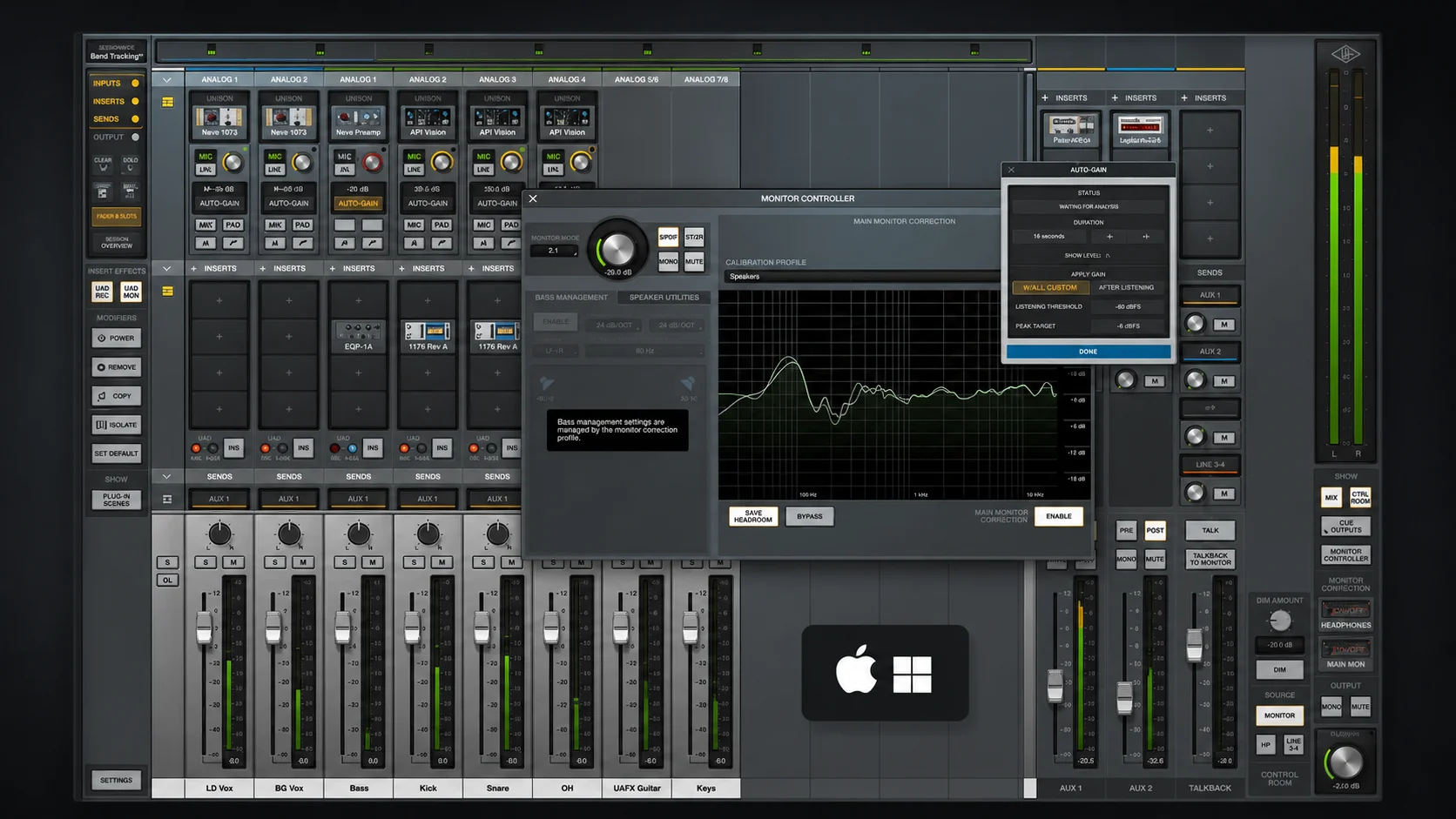
UAD Console
The control layer between the Apollo and the DAW. It holds the input routing, the cue mixes that feed my headphones and the outboard, the cymbal submix, and plug-in chains while I track. Unless we agree on a sound going in, delivered tracks stay unprocessed.
 Black Lion Audio
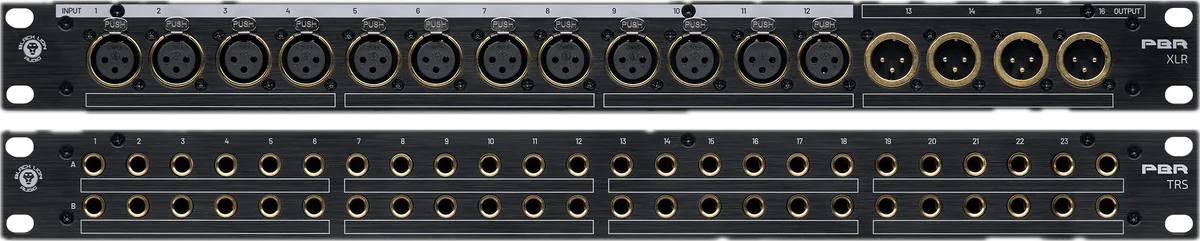
PBR XLR + PBR TRS3 Patchbays
Every mic line, V71 output, and outboard send and return comes through these. Changing a path is a patch cable, not a trip behind the rack. During a mix each processor sits on its own hardware insert, and nothing in the rack runs in series unless I patch it that way.
- Empirical Labs
Distressor EL8-X (×2)
One on kick, one on snare while I track, each on its own send and return, feeding the drum mix that runs through the API 2500+. British mode when a song wants the snare to sound angry. I can print that sound, keep it to my headphones, or leave it out, and the MIDI performance is identical either way. In a mix, they compress individual tracks or stems.
- elysia
xfilter Stereo Equalizer
Stereo EQ for the cymbal submix while I track. Its Passive Massage filter, a passive low-pass with a small resonance at 12 kHz, is what I use to open up the top of the cymbals, and the detented controls make a setting easy to recall. In a mix, it does the same job on stems. It is not on the delivered cymbal tracks.
- API
2500+ Bus Compressor
My primary stereo drum-bus compressor. It pulls the whole kit together on the way to my headphones, and it is available for other stereo compression when I mix. It is not on the delivered cymbal tracks.
- Walrus Audio
DFX-1 Percussion Processing Unit
Delay, ambience, and texture on its own return, fed from the V71’s faders. Playing into an effect changes the space I leave between notes, so I use it on the take even when it never reaches the delivered files.
 Boss
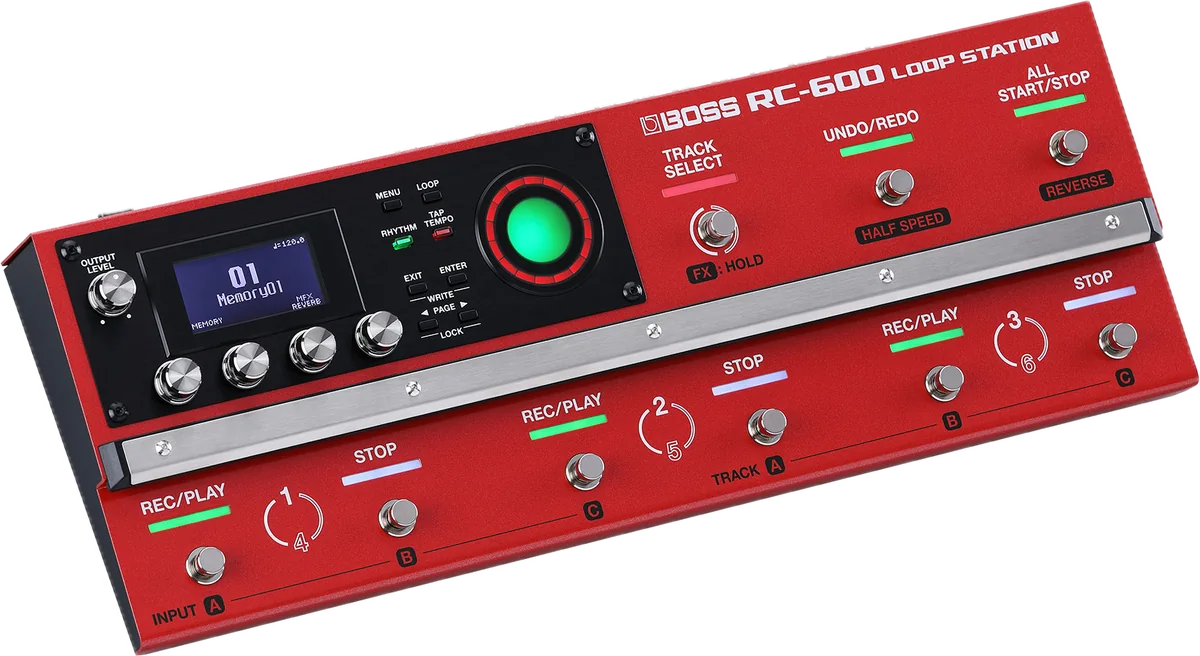
BossRC-600 Loop Station
Multitrack looping, fed from an Apollo cue and returned to the x8. I use it to build parts in layers while I write.
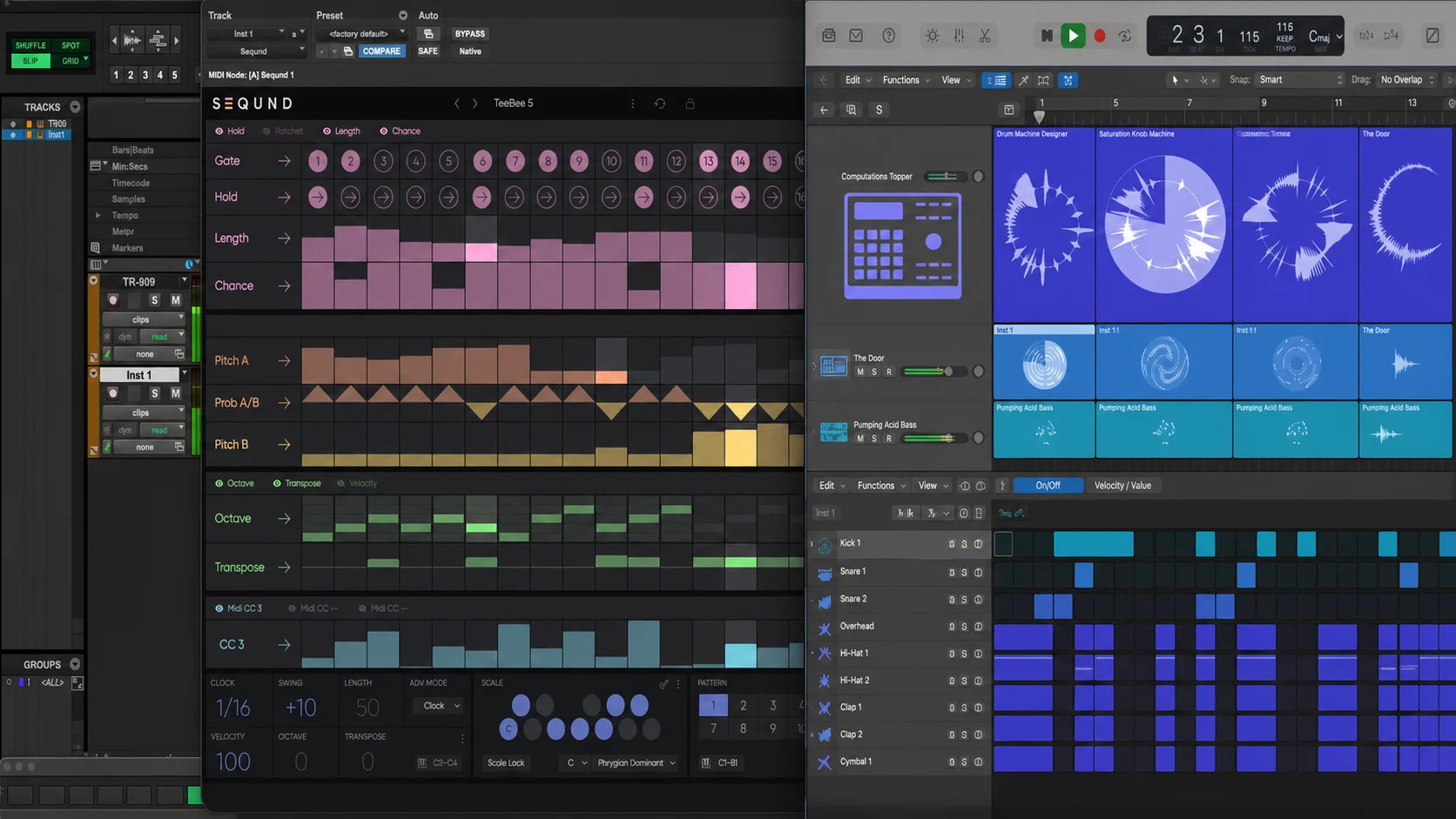 DAWs
DAWsPro Tools + Logic Pro
Pro Tools is my preferred DAW for tracking drums. Playlists and grouped tracks make it easy to stack full-kit takes and compare them. I write, produce, and mix in both. Either way, I can deliver aligned audio and MIDI tracks ready to import into the DAW you use. Software instruments run inside either one, so the same MIDI performance can drive a library kit, a sampler, or something that is not a drum at all.
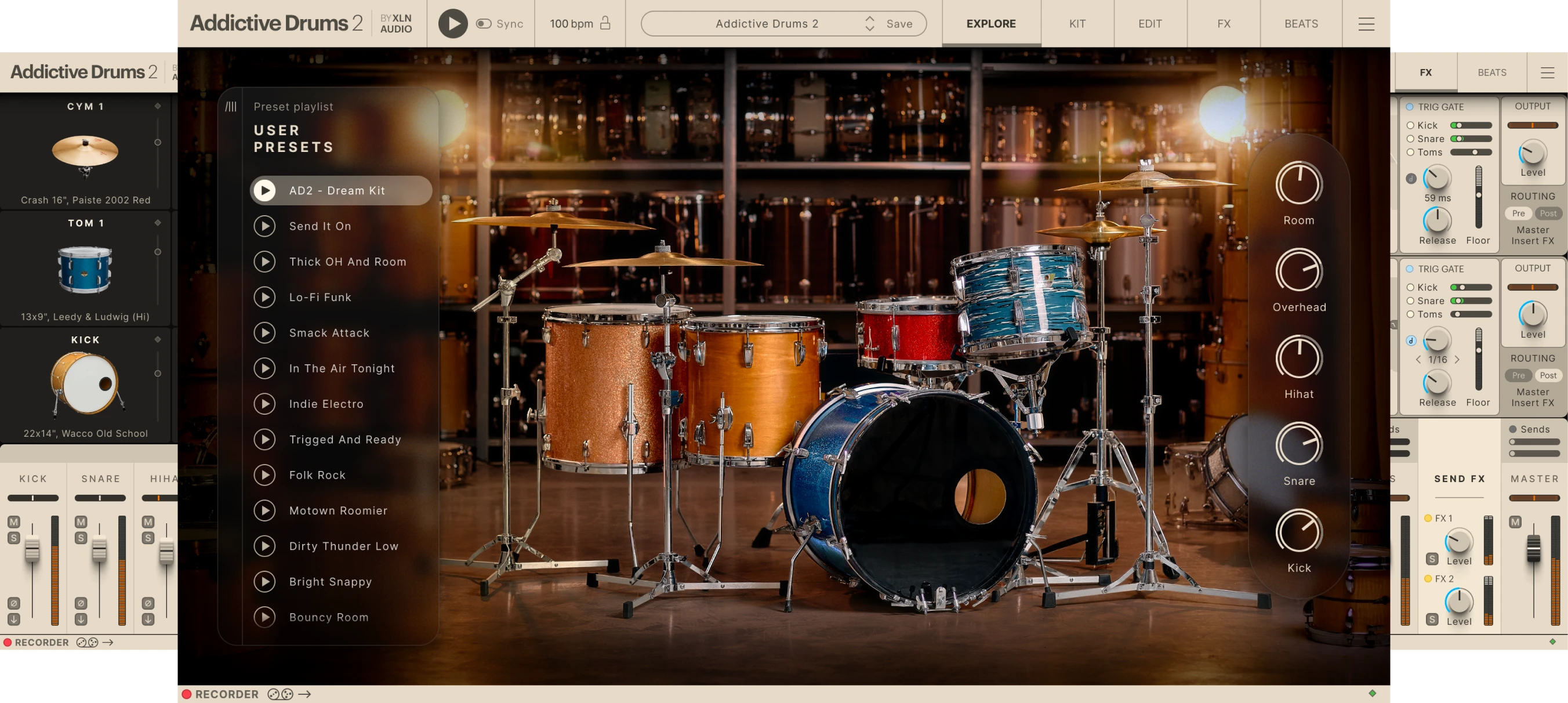 XLN Audio
Addictive Drums 2
Multi-mic recordings of real kits in real studios. Every shell kit in the Sessions page stems player is a stock preset from it, printed from the same MIDI, and it is one of my options when I print kick, snare, and tom stems.
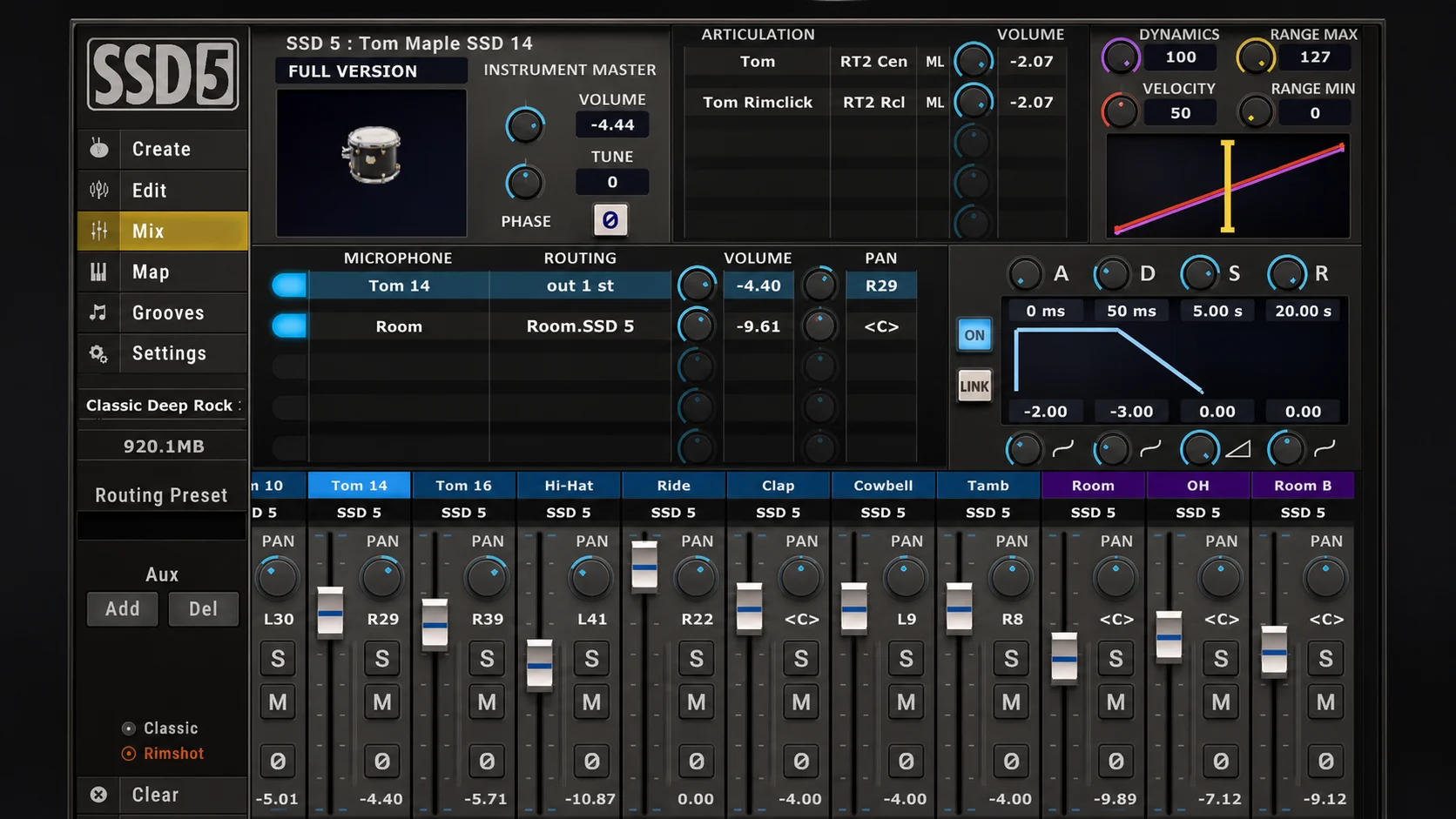 Steven Slate Drums
Steven Slate Drums 5
Recorded to 2-inch tape with vintage gear, from the same company whose Trigger plugin is widely used for drum replacement. Another option when I print kick, snare, and tom stems, alongside Addictive Drums 2 and the V71’s own DW library.
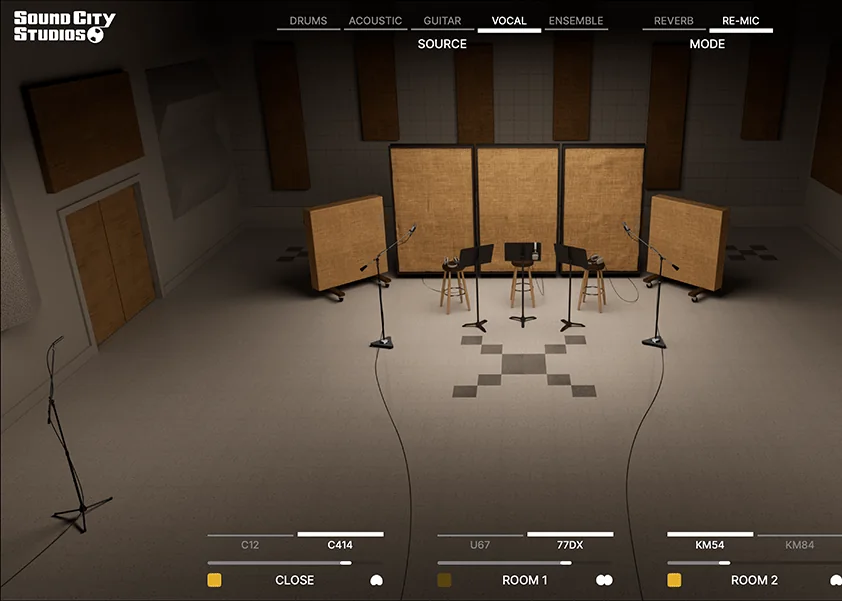 Universal Audio
UAD Plug-ins
My EQ and compression happen on the outboard now, so the plug-ins are mostly for color: rooms, preamp character, and saturation that adds harmonics or a little distortion. They run in Console while I track and in the DAW while I mix. The collection includes Sound City Studios for room sound.
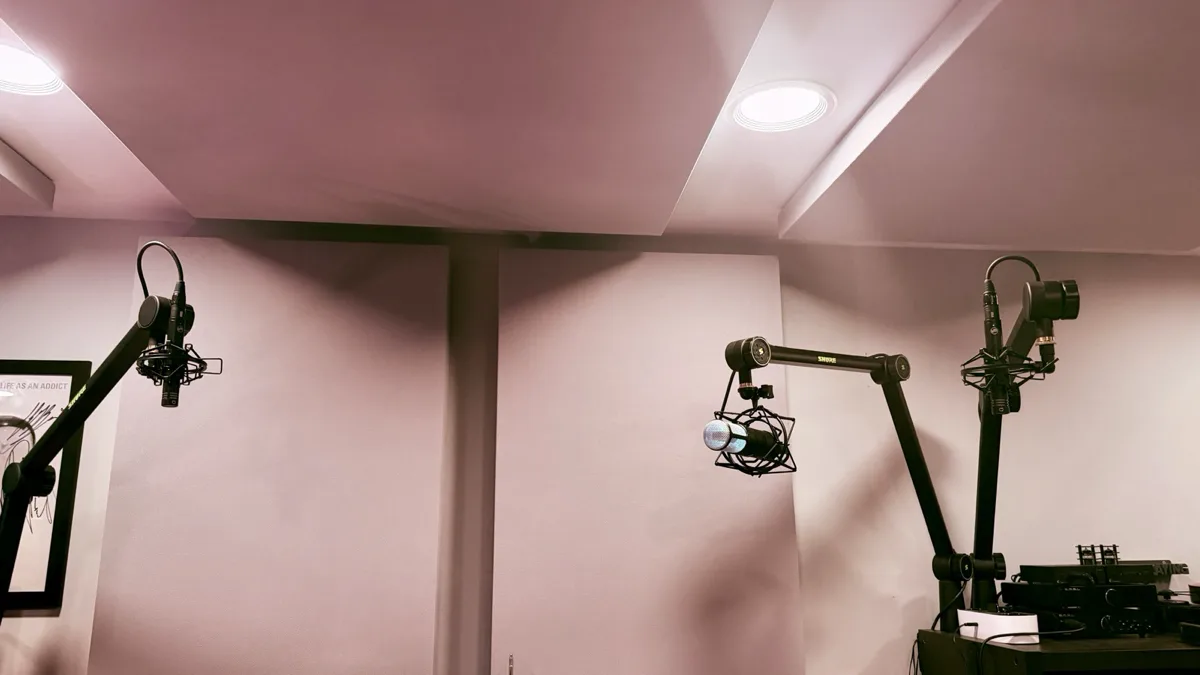 Acoustimac
Broadband Absorption
Broadband panels control early reflections, so the overheads capture more cymbal and less room, and the monitors give me a clearer picture when I mix.
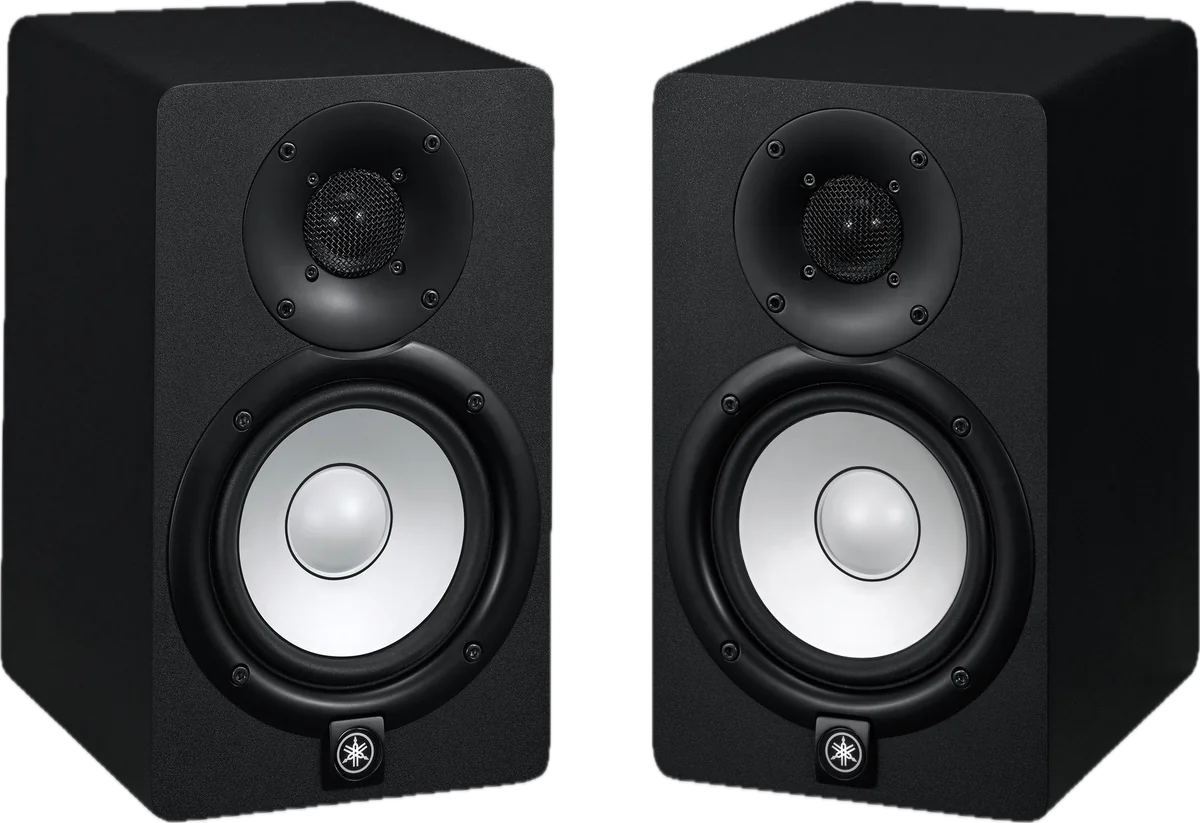 Yamaha
HS5 Monitors + Subwoofer
Near-field monitors with a subwoofer underneath, run from the Apollo x8. The sub fills in the low end small monitors leave out, which matters for kick and bass decisions.
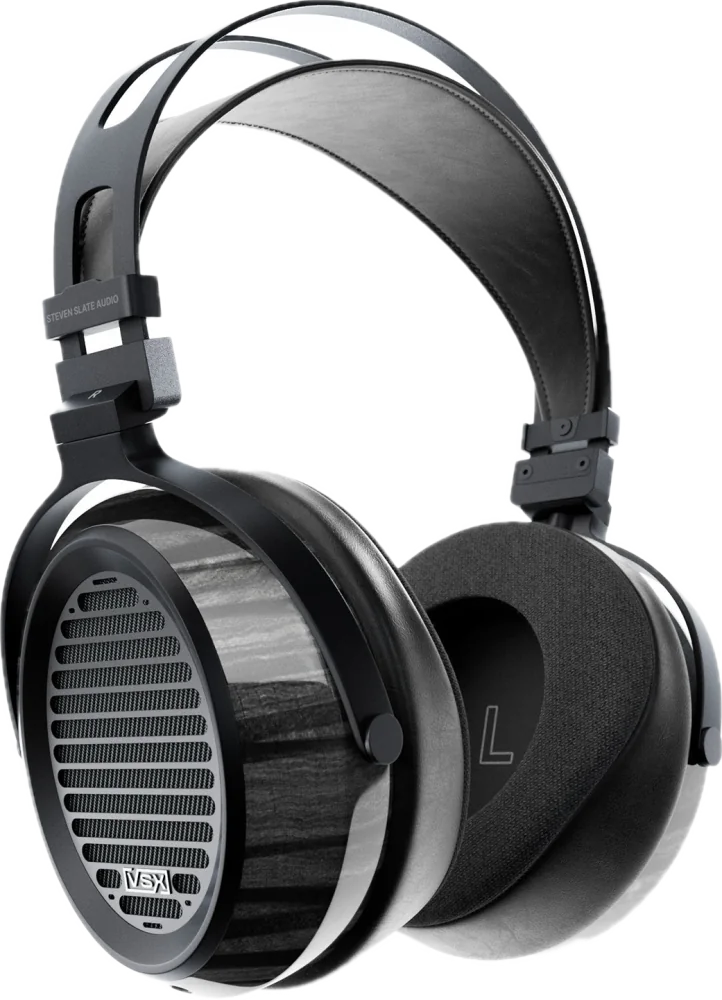 Steven Slate Audio
VSX Immersion One Headphones
Open-back planar magnetic headphones running the VSX Platinum room and speaker models, fed from the Apollo Twin. I use them to check a mix somewhere other than my own room.